
Restore balance. Accelerate growth
Partner Selection Toolkit
18 criteria. 6 dimensions. Full methodology.
✴
Define the attributes of the ideal channel partner.
Define your partner capacity and decide how many partners you will recruit
✴
Apply Brendel’s 18 Selection Criteria
Define
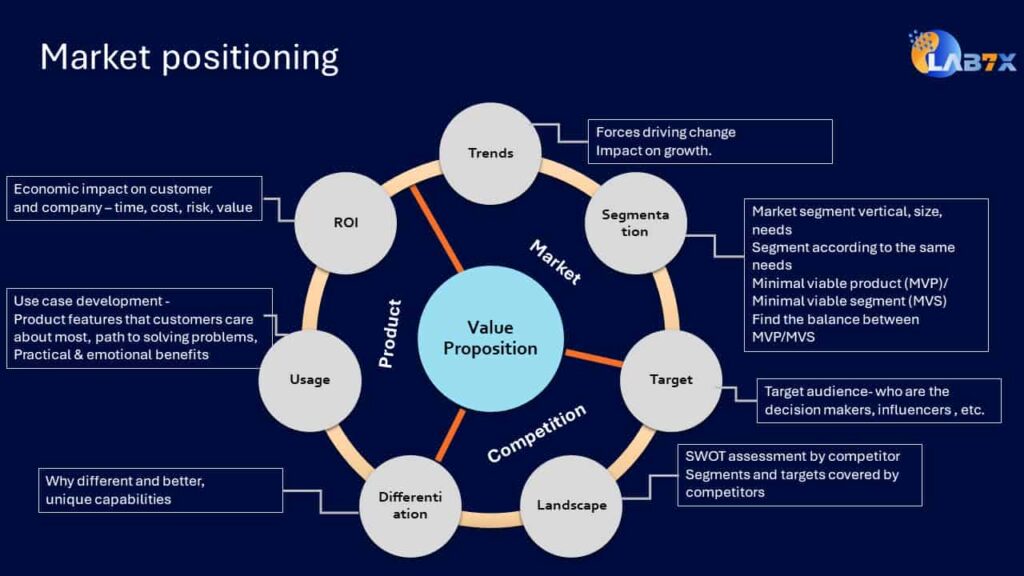
Define your value proposition
- It determines whether people are interested in learning more about your solution
- Define customers’ gains and pains
- Compare your value proposition to competitors and ensure that you stand out.
- Understand your market, alternatives and competitors
Create Customer Centric Sales Process
- Define customer purchase process
- Define your process
- What actions needs to be taking to close the deal
- Create sales tools to help you close deals
Study and Analyze Competitors Partner Program
- Understand your competitors partner programs
- Understand the relationship with their partners
- What type of partners do they target?
- How is their program constructed?
- What are the main benefits for the partners?
Define Type of Partners –Partnership is all about building value for your customers!
- Customer value is key! Every partner must bring a value to the customer
- What type of partners do you want to have a relationship with?
- How can they be defined as? (i.e., Distributors, Re-sellers, Value Added Re-sellers, Technology Partners, OEM, etc)
- What value do they bring to the customer?
Partnership Success Factors and Measurements
- Define how you can support the partners’ sales process.
- What are the critical factors? Is it a Proof of concept? Good support? Pricing structure? Great project management?
- What motivation drivers and elements can you implement in your partner program?
- Define the elements in more details – e.g., Lead generation will be distributed to partners (thus scaling your business growth), Support (access to papers, presentations, videos, forum, etc.),
- Define KPIs to measure performance then refine and optimize
Define Responsibilities and Expectations
- Focus on the customer experience and define all activities and categorize them
- What do you expect from partners?
- What partners expect from you? Example, pre-qualified lead, post-sales support, training and certification, access to demos and presentations, how to create targeted solutions
Define Program Levels and Framework
- Most partner programs have different levels – can be used as a motivational tool for achieving higher levels and gaining more benefits
Build Internal Capabilities and Systems to support the program
- Other documentations – legal agreements, partner program operational plans, partner selection matrix, etc.
- Integrate your program into your current CRM system
- Develop all marketing material to support the different levels of the program
- Educational platform to mitigate internal resource utilization and support educating partners
Selection Criteria
Example of Brendel’s list of selection criteria
- How well established is he or she?
2. What is his reputation with his customers?
3. What is his reputation among manufacturers?
4. What other allied lines does the distributor handle?
5. What is the distributor’s financial position?
6. Has he the ability to discount his bills?
7. What is the size of his plant (facilities)?
8. Will he maintain adequate inventory for services?
9. To what important customers does the distributor sell?
10. To which one does he not sell?
11. Does he maintain stable prices?
12. Does he disclose the annual sales figure for the past five years?
13. What territory does the distributor actually cover with his sales force?
14. Are the distributor’s sales people trained?
15. How many field personnel does he have?
16. How many internal employees he has?
17. Does the distributor believe in active co operation, sales training & sales promotion?
18. What facilities does he have for these activities?